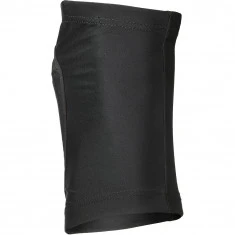
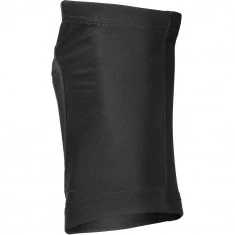
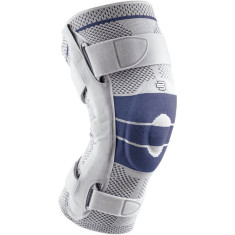
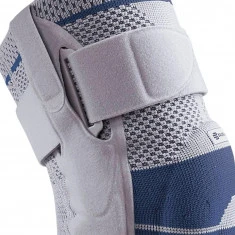
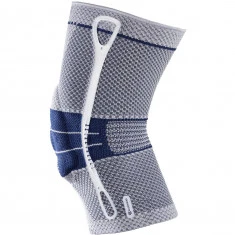
If you've already had an accident and have a bad knee, a weak ankle or another niggle, there are ways to keep skiing safely. A sports bandage or knee support can stabilise a weak knee and give you a better feel for the joint, so you can trust it on the slopes again. Knee supports from Bauerfeind are well-known examples, and knee pads from Cairn protect the knee against knocks.
As a rule, we don't recommend skiing if you're in pain. Talk to your own doctor or physiotherapist before the ski holiday, so you know whether you're ready for the slopes.
A knee support should sit firmly without cutting off the circulation, and it mustn't slide down when you bend your knee. Measure around your knee to find your size, and try the support on with the thermals or ski trousers you'll be wearing. A compression knee support gives gentle, even pressure, while a padded model also takes the edge off a fall onto the knee.
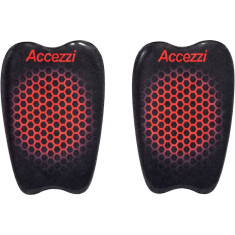
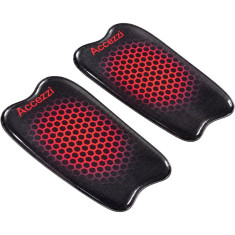
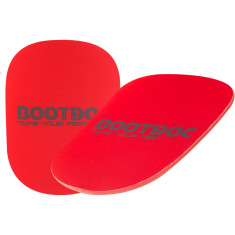
Many skiers know the feeling: after a few days in ski boots, the front of your shin starts to ache. Gel pads from Accezzi and BootDoc sit between your shin and the boot tongue and cushion the pressure, so you can keep skiing for the rest of the week.
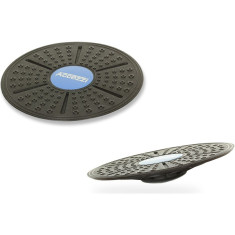
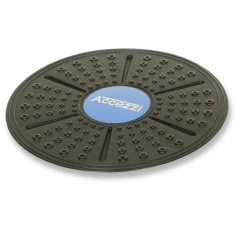
The best way to avoid injuries is to arrive on the mountain with strong legs and good balance. A balance board, such as those from Accezzi, trains the small stabilising muscles around your ankles and knees, and a few minutes a day in the weeks before your holiday make a real difference.
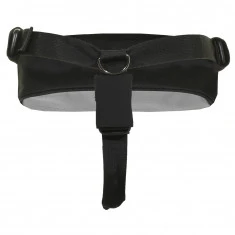
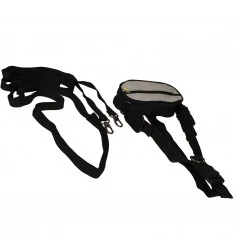
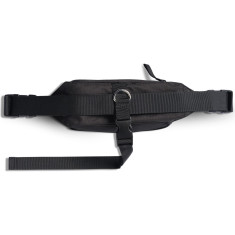
For the youngest skiers, this category also has ski harnesses from Accezzi and Swix, so you can help control the speed on the first runs.
Protective gear can protect your head, back, hips and knees if you fall. The most basic protection is of course a ski helmet, which everyone should wear. A back protector and knee pads add more protection, and a small first aid kit in your rucksack is always useful.
We stock sports bandages and supports from Bauerfeind and Cairn, and gel pads from BootDoc. At Skisport you get our price guarantee and a 14-day right of return.