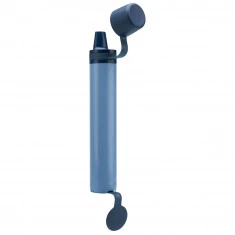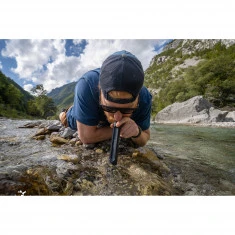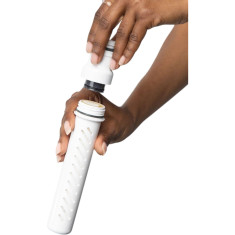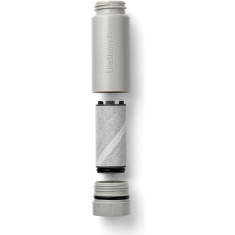
The short answer: a LifeStraw cleans water you wouldn't normally drink. After filtering, dirty water becomes safe drinking water. But when is that useful? Here are three examples.
In many popular holiday destinations, the tap water isn't safe to drink. Instead of lugging bottled water back to your hotel, you can filter tap water with a LifeStraw. It's also handy for filling up from taps at airports and service stations.
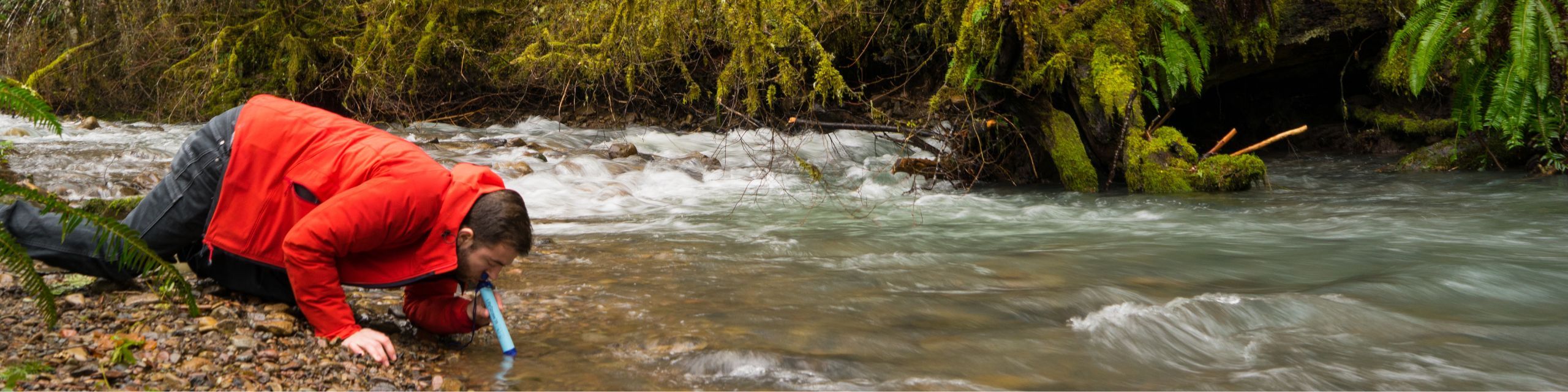
On a longer hike, it isn't practical to fill your rucksack with heavy bottles of water. You'll often pass streams, and that's where a LifeStraw is worth its weight in gold, because you can drink straight from rivers, streams and lakes.
A LifeStraw is also a sensible back-up if the water supply is ever interrupted, as a supplement to stored water.
The models differ a little, but the idea is the same. A LifeStraw contains a filter that removes up to 99.999% of bacteria and microplastics.
Yes. For the price of a LifeStraw, you'd usually only get a limited amount of bottled water. If you actually use your LifeStraw, you'll get far more drinking water out of it: a single filter can clean thousands of litres. It's also good for the environment, since every litre you filter is one less plastic bottle to buy.
Fill from flowing water where you can, and let sediment settle before you fill if the water is cloudy. Rinse the filter after use, let it dry before you pack it away, and keep it from freezing on winter trips. A filter removes bacteria and microplastics, so in areas where viruses or chemical pollution are a concern, follow local advice. Pack your LifeStraw in a hiking rucksack and you're ready for the trail.
We also stock carry cases and replacement filters, so your LifeStraw keeps going for years.
You buy LifeStraw with our price guarantee. Orders leave our warehouse in Denmark with DPD or GLS and usually arrive within 4-6 business days, and you have a 14-day right of return.