Trekking poles are easy to leave behind, but once you've used a pair on a steep descent, you'll rarely set off without them. Whether you're into long hillwalks, gentle strolls in the woods or Nordic walking on the road, a solid pair of poles makes a noticeable difference. They don't flatten the hills, but they take strain off your legs, improve your balance and make the walk more comfortable.
If you've never walked with poles, you might think they're only for pensioners and mountaineers. In fact, most people can benefit. On steep climbs, poles help spread the effort between your upper and lower body. On the way down, they give extra stability and take some of the load off your knees. On longer walks, they soon become indispensable for rhythm and support, especially if you're carrying a heavy rucksack.
On boggy ground and wet, slippery rock, a pair of poles also helps you check your footing before you commit.
Classic trekking poles for mountains and forests are usually made of aluminium, which gives a good balance of strength and low weight. Some fold up or adjust telescopically, so they're easy to pack away or set to your height and the terrain. Z-fold poles from Silva fold into short sections that fit in or on your pack, and Masters makes sturdy trekking poles for hiking.
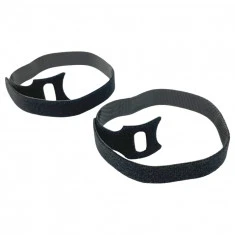
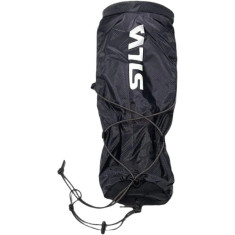
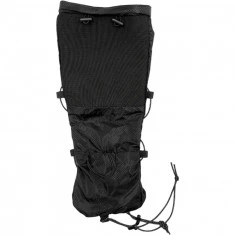
If you prefer Nordic walking, meaning brisk walking on firm ground, there are poles designed especially for that. Masters makes Nordic walking poles for this. Silva also makes classic walking poles, plus a quiver that lets you carry your poles on your back when you don't need them.
It isn't only the material that counts. Grips can be foam, cork or rubber, and some are shaped to your hand so they stay comfortable after many kilometres. Adjustable wrist straps and replaceable tips and rubber feet are also worth looking out for, so the poles suit both you and the surface.
In short, walking poles aren't just for people who walk far. They're for people who want to walk better. Pair them with good hiking socks and gaiters for wet days. For skiing, see our ski poles.