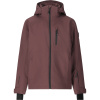
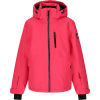
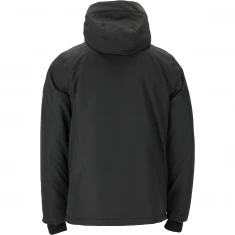
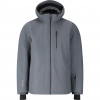
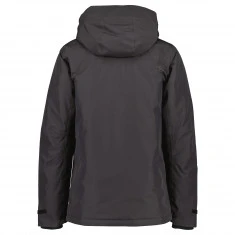
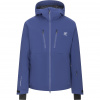
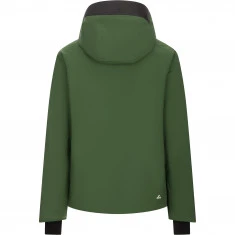
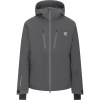
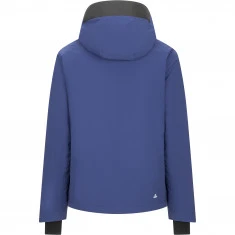
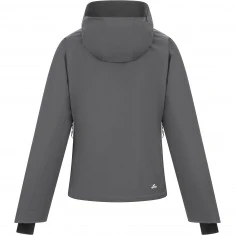
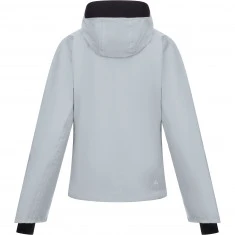
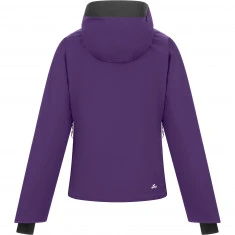
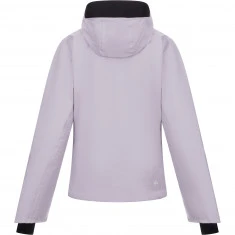
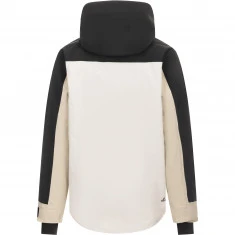
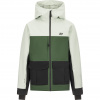
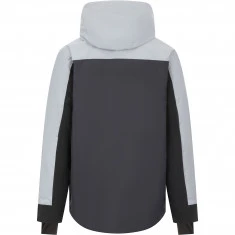
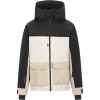
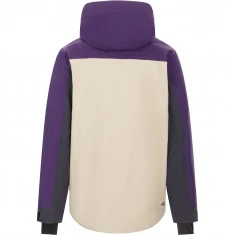
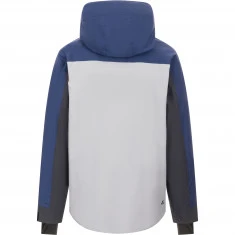
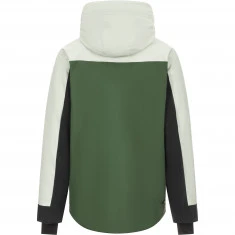
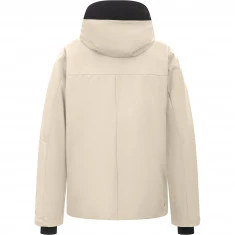
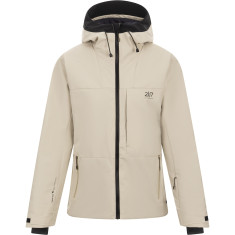
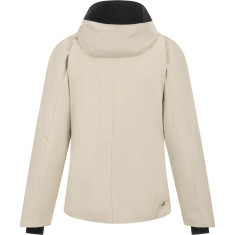
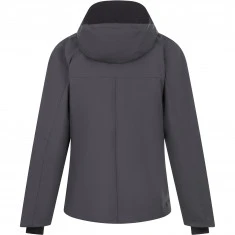
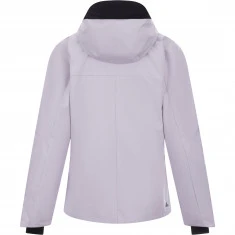
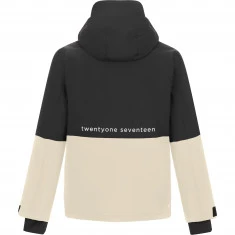
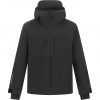
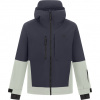
Put simply: the right ski jacket can be the difference between a fantastic day on the mountain and a miserable one. Below we'll help you find the jacket that suits the way you ski – whether you're off on a family week in Austria, a school tour to Italy or a long weekend in the Alps.
At Skisport you'll find ski jackets for both adults and children. If you'd like a quicker overview, go straight to the subcategories:
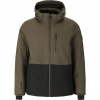
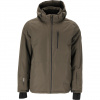
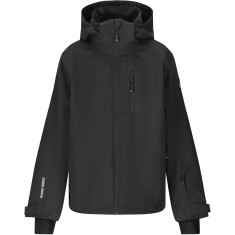
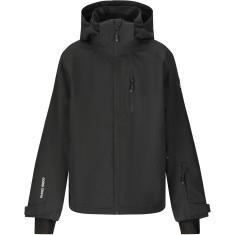
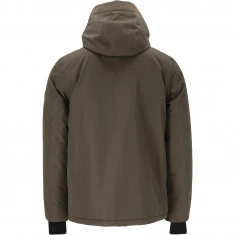
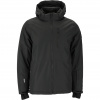
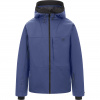
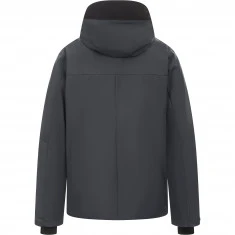
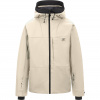
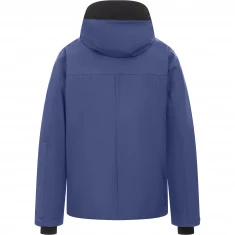
Among our men's ski jackets you'll find both insulated all-rounders and technical models with a high waterproof rating, ventilation zips and a snow skirt.
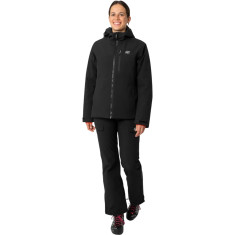
Women's ski jackets have a cut designed for the female figure. You'll find everything from bold colours to understated styles, and from warm insulated jackets to technical shells for active skiers.
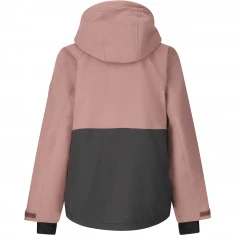
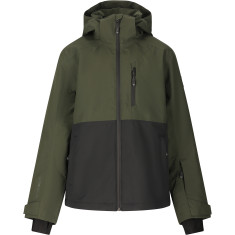
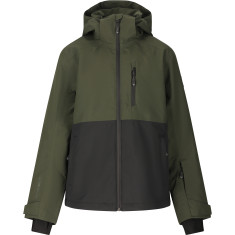
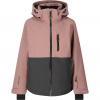
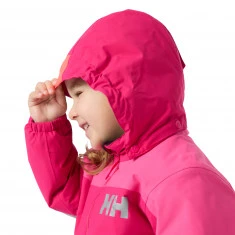
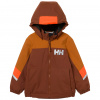
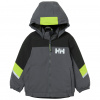
Kids' ski jackets need to cope with snowball fights, long days at ski school and plenty of tumbles. Look for hard-wearing fabric, reflective details, a snow skirt and adjustable cuffs.
If you ride a board, our snowboard jackets have a looser cut, extra length at the back and a more street-inspired look.
A ski jacket should last for many seasons, so it pays to choose a well-known brand. Our range includes Helly Hansen, Whistler, 2117 of Sweden, Kilpi, SLOPE, Scott and CMP.
Helly Hansen is a byword for Norwegian quality and one of the most popular brands when people buy a new ski jacket. The jackets are known for reliable waterproofing and a solid finish – even in the more affordable models. Look after your jacket and it will serve you for many years, whatever the price.
Whistler and 2117 of Sweden combine simple Nordic design with good technical features and a friendly price. Both are a good choice if you want a lot of jacket for your money.
Kilpi is a little less well known than the biggest names, and its average price is slightly lower, but you get a lot of quality for your money. The range runs from budget jackets with a simpler membrane to top-quality models that will last for many seasons.
Once you've settled on a brand, it's time to look at the technical specs. The two most important are the waterproof rating and breathability.
Snow is water too, and a fall in wet fresh snow or a day of sleet on the mountain will put any jacket to the test. Waterproofing is measured in millimetres of hydrostatic head:
Moisture doesn't only come from outside. You warm up quickly when you ski, and the sweat needs to escape through the jacket. Breathability is measured in g/m²:
A jacket that keeps you dry is a good start, but waterproofing and breathability can't do the job on their own. Look for an adjustable hood, cuffs and hem, a cut with room for your layers underneath and ideally some stretch in the fabric. That gives you freedom of movement when you twist through your turns or reach for the lift bar.
When you try a jacket on, wear the base layer and mid layer you'll ski in. Reach your arms forward as if you were planting your poles: the sleeves should still cover your wrists, and the jacket shouldn't pull across your back. It should also be long enough to cover the waistband of your ski pants when you bend over.
Even the best ski jacket works best with good layers underneath. Use the three-layer principle:
If you get too warm, take off the mid layer and carry it in your backpack until it turns cold again.
A good ski jacket doesn't have to stay in the wardrobe for 51 weeks of the year. Its waterproof, windproof outer fabric makes it a handy coat for wet and windy winter days at home, on the sidelines of a match or out walking the dog. Keep in mind that a warmly insulated jacket can feel too hot on the bus or in the shops, so for everyday use a shell jacket or a lighter model is often more practical.
Don't wash your jacket too often – too much washing wears the fabric unnecessarily, especially if you only wear it a couple of weeks a year. When you do wash it, use a detergent made for technical clothing rather than ordinary washing powder, which can damage the membrane. Follow the care label, and reproof the jacket after washing if water no longer beads on the surface.
If the jacket doesn't need reproofing, it can often be tumble dried on a low heat, but check the care label first, as not all ski clothing can take it. To see whether your jacket needs reproofing, sprinkle a little water on it: if the water forms beads on the fabric, all is well. If it soaks in, it's time to reproof.
A higher price often reflects better membranes, more thoughtful details and a longer life. At Skisport you get a price guarantee on all ski jackets, and in the sales you can get a top-quality jacket at a good price. Combined with good care, a quality jacket is a sound investment that lasts for many seasons.
If you want a jacket and ski pants that match, a two-piece ski suit can be a smart choice. The pieces are put together for you, and you often pay less than if you bought them separately.
It depends on where and when you ski. For a typical ski holiday, an insulated ski jacket suits most people. If you feel the cold easily or you're heading high up in mid-winter, choose a warmer jacket or add an extra mid layer. If you ski actively and often in spring conditions, a shell jacket with thin layers underneath gives you the most flexibility.
The best deals often come towards the end of the season, when stock is cleared for the new collections. If you want the widest choice of models and sizes, it pays to shop early – well before the Christmas and mid-term ski trips.
Mainly the cut. A snowboard jacket is usually looser and a little longer at the back, while a ski jacket is more fitted. Both protect you in the same way, so choose the one you like best.