Cross-country skiing is one of the best workouts there is – and one of the most peaceful ways to see a snowy landscape. Most Irish skiers discover it on holiday, whether that's a winter week in Norway or Finland or a day on the groomed trails around an Alpine resort. Once you're hooked, your own skis are the natural next step.
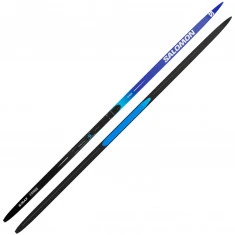
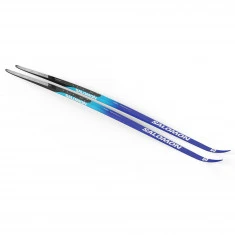
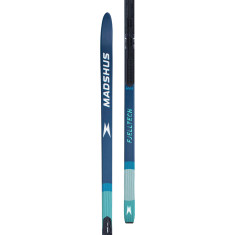
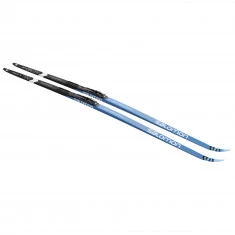
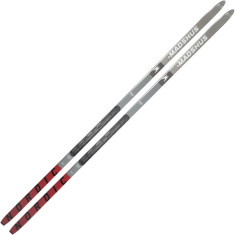
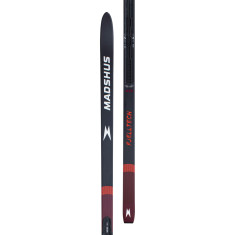
Here you'll find classic cross-country skis from Madshus and Salomon with skins under the foot – skis that give you reliable grip without spending time on grip wax and klister. The range covers everything from light, fast skis for the groomed trail to wider touring skis for days off the beaten track, and the skis come with bindings.
Skin skis have a strip of mohair, or a mohair blend, in the grip zone under your foot. The skin grips the snow when you kick off and glides when the ski moves forward. You don't need to apply grip wax, and skin skis work in almost all conditions – especially around zero degrees, where waxing for grip is at its trickiest. That's why skins have become the most popular choice for beginners, holiday skiers and many keen amateurs.
Our skin skis come from Madshus and from Salomon, whose eSkin is used in skis for everything from fitness skiing to racing. With an adjustable Prolink binding from Salomon, you can move your position slightly forward for more grip on the climbs or back for better glide.
Waxable skis have a grip zone without a skin, where you apply grip wax in cold, dry conditions and klister on wet, old or icy snow. Waxed correctly, they give both better glide and better grip than skin skis, but it takes some know-how and a little time before every outing.
Skate skis are used for the skating technique on groomed trails. They have glide wax only, are stiffer and shorter than classic skis and need dedicated skate boots. Skating is fast, but it demands more technique than classic skiing.
Classic cross-country skis are usually 15-25 cm longer than your height, while skate skis are 10-15 cm longer. More important than length, though, is the camber – how stiff the ski is under your foot. That's decided by your weight:
Each model has a chart of lengths and weight ranges. Weigh yourself with the clothes and backpack you'll ski with, and choose the ski that matches your weight. If you're between two weight classes, the stiffer ski gives the best glide and the softer one the best grip.
You can also test the camber yourself: lay the skis on a hard floor and stand on them with your weight spread evenly. A sheet of paper should slide back and forth under your foot. With all your weight on one ski, the paper should be held tight. If it still slides, the camber is too stiff for you.
For tours away from the groomed trails, wider skis give better stability and float better in loose snow. Madshus makes touring skis built for use both on and off the trail, with a skin for good grip on the climbs and steel edges that help on icy patches.
The skis come with bindings from Rottefella or Salomon Prolink, which fit cross-country boots with an NNN-compatible sole. On most models the bindings are mounted before the skis are sent to you, so tell us your boot size when you order.
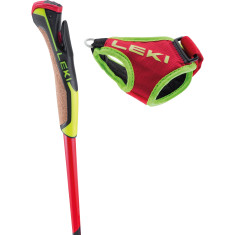
Don't forget cross-country boots and cross-country ski poles in the right length. Poles for classic skiing should reach roughly to your shoulder; in this category you'll find poles from Leki.
The skins last longer and grip better if you clean them with a skin cleaner and treat them with skin spray a few times a season. The glide zones at the tip and tail need glide wax like any other ski. You'll find everything you need under ski wax and accessories.
After the season, clean the skis and give them a layer of glide wax to protect the base. Let the skins dry completely, and store the skis somewhere dry without strapping the camber tightly together.
For children we recommend skin skis, because they grip without waxing and make the first trips a lot more fun. Madshus makes junior skin skis for exactly that. Each length has its own weight range, so choose by your child's weight rather than buying skis for them to grow into.
You warm up quickly when cross-country skiing, so dress lighter than you would for the downhill slopes. A thin layer of ski underwear next to the skin, a windproof softshell or light jacket on top and a headband or thin beanie are often enough. Pack an extra warm jacket in your backpack for the breaks.
Fresh or wet snow around zero degrees can clump under the skis. Skin skis cope with this better than waxable skis, and skin spray makes it harder for the snow to stick to the skin.
Clean them first, as dirt and old wax from the trail clog the hairs. If you have an adjustable binding, you can also move it slightly forward for more grip.
The basic classic technique is easy to pick up, especially on skin skis, where you don't have to think about waxing. Many beginners are gliding along the trails after just a day or two.
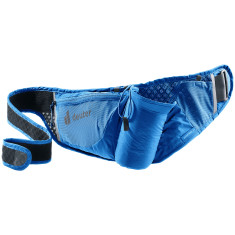
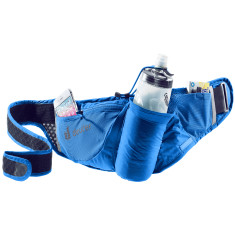
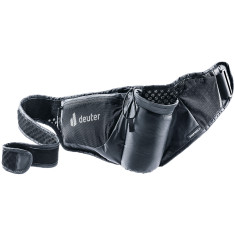
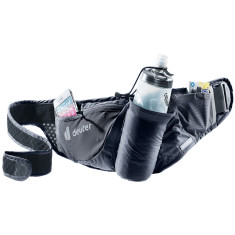
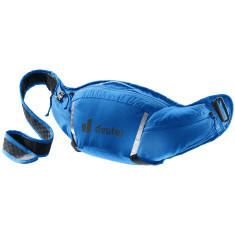
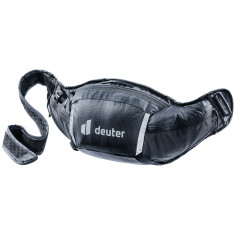
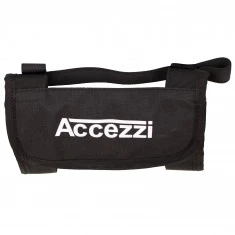
In this category you'll also find hydration belts from Atomic and Swix, running backpacks from Deuter, ski bags and carriers from Accezzi and Swix ski clips. We stock brands such as Madshus, Salomon, Leki, Swix and Atomic, and you get a price guarantee on everything.