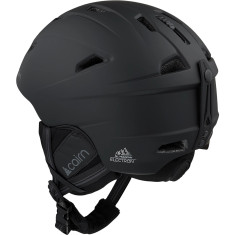
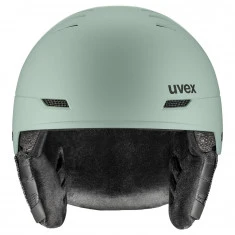
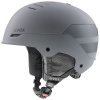
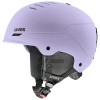
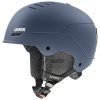
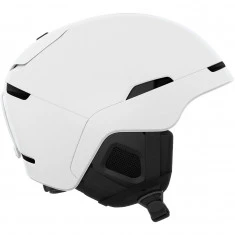
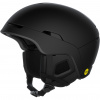
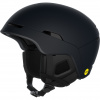
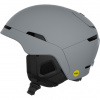
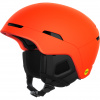
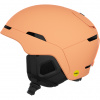
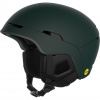
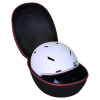
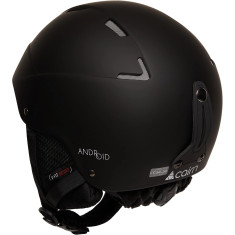
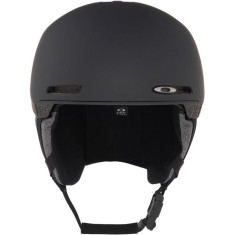
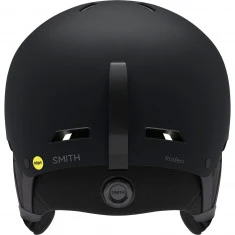
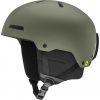
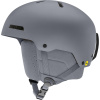
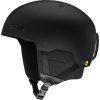
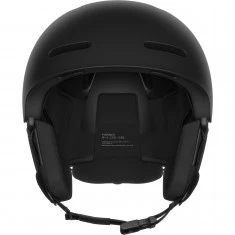
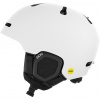
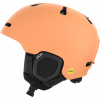
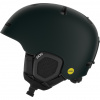
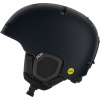
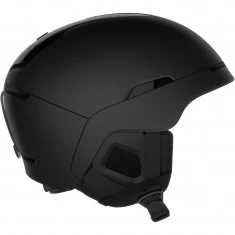
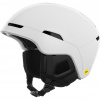
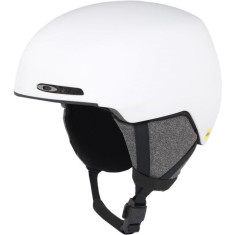
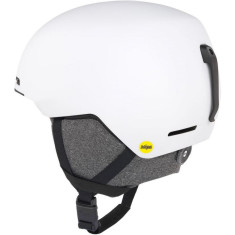
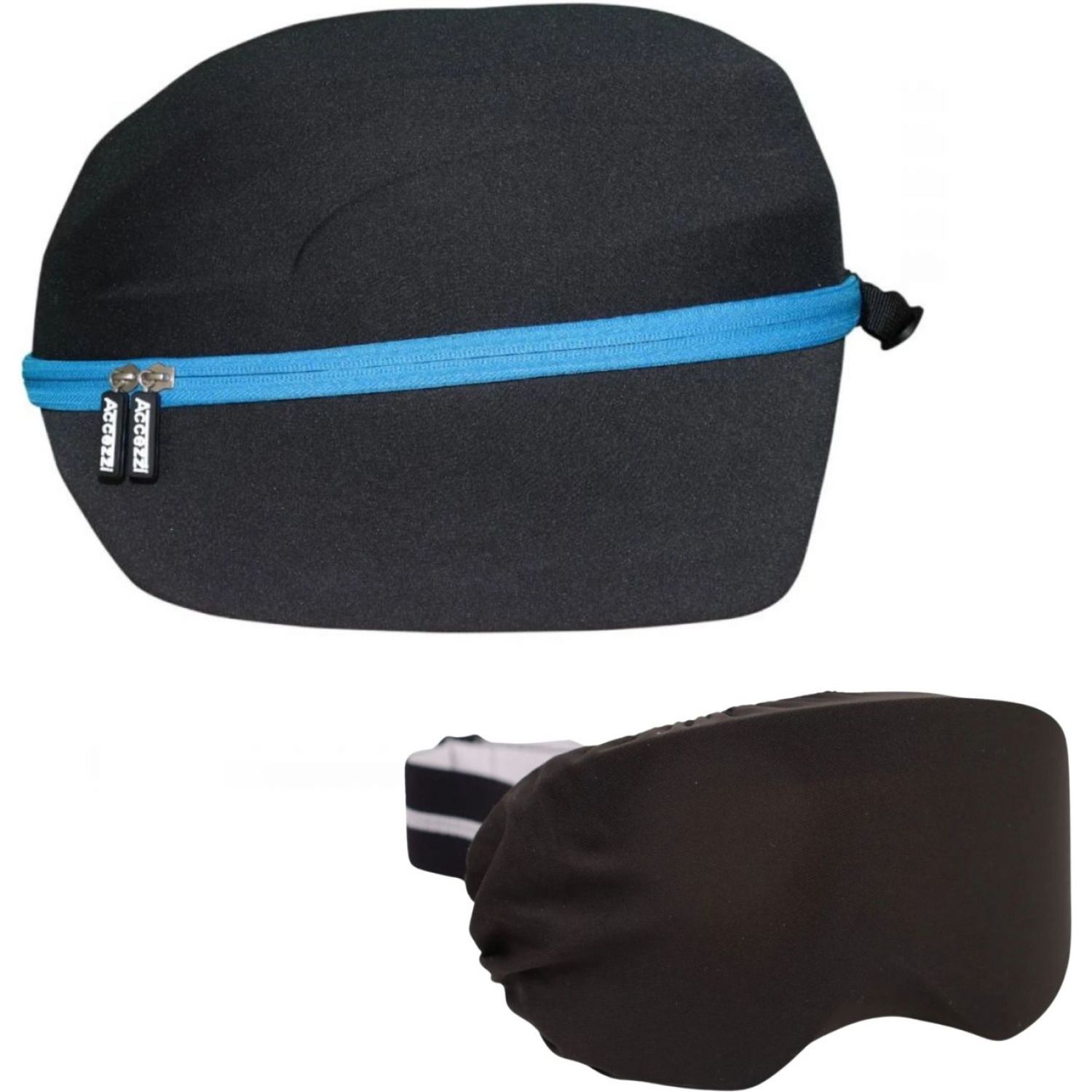
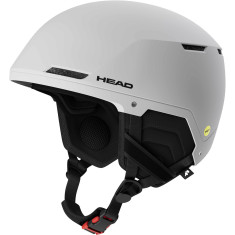
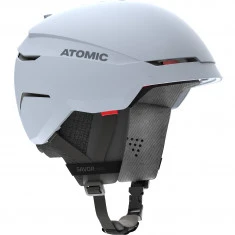
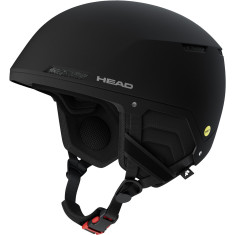
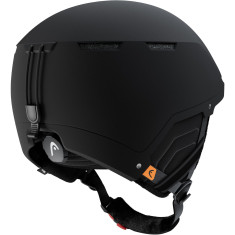
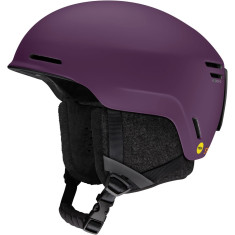
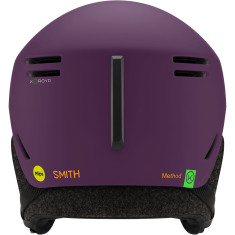
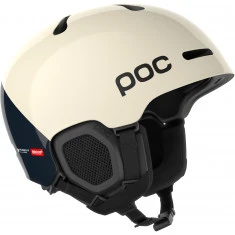
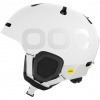
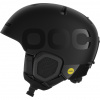
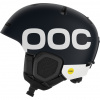
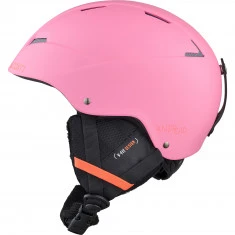
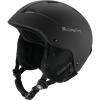
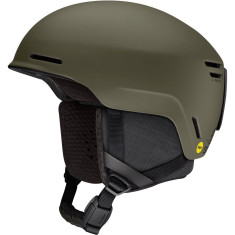
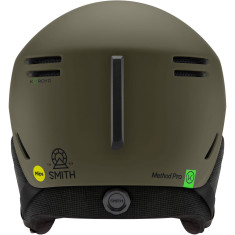
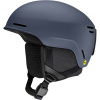
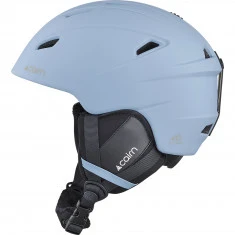
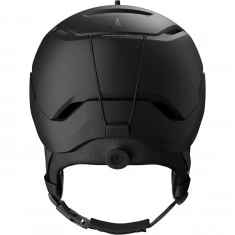
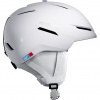
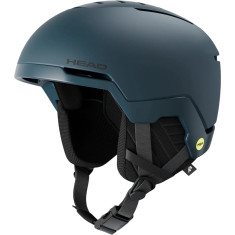
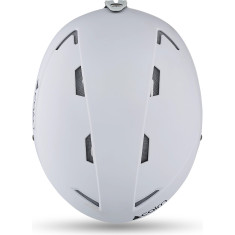
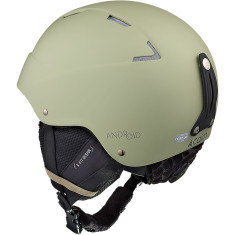
A good ski helmet is the cheapest insurance you can buy before the season starts. Whether it's your first week in Andorra or your tenth trip to the Alps, we recommend that everyone wears a helmet on the slopes – whatever their level. A fall on hard-packed snow or a collision with another skier can catch out even the most experienced among us.
Ski helmets have improved enormously in recent years. They're lighter, warmer and more comfortable than they used to be, with good ventilation and soft ear pads, and some models even have room for headphones. We stock well-known, safe brands such as POC, Smith, Salomon, Uvex, Oakley, Cairn and Giro.
Almost every helmet in our range is unisex, so you don't need to worry about whether a model is designed for women or men. What matters is that it fits your head. Choose by fit, colour and features – and feel free to try a couple of sizes.
If the little ones are coming along, you'll find dedicated ski helmets for children that are lightweight and easy to adjust.
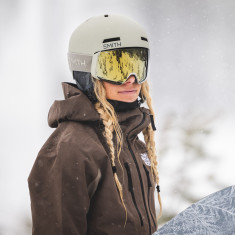
A ski helmet with visor combines helmet and goggles in one product. It's a great choice if you wear glasses every day, because your glasses fit under the visor. The visor is designed to resist fogging and to give you a wide field of vision.
If you go for a helmet without a visor, you'll need a pair of ski goggles that suit the helmet, so there's no gap between goggles and helmet at your forehead.
MIPS stands for Multi-directional Impact Protection System. A thin layer inside the helmet can move slightly in relation to the shell, which reduces the rotational forces that reach the brain in an angled impact – and angled impacts are exactly what usually happens when you fall on the slopes.
A ski helmet with MIPS costs a little more, but we think it's well worth the money. Many of the helmets from POC, Smith and Salomon have MIPS. See all ski helmets with MIPS.
Measure your head circumference with a soft tape measure just above the ears and across the middle of your forehead. Most adults measure somewhere between 50 and 65 cm, and helmet sizes are given in centimetres, so you can see which size matches your measurement. If you wear a hat under your helmet, measure with the hat on.
The helmet should sit firmly without pressing. Gently shake your head with the chin strap open: if the helmet slides around, it's too big. Bear in mind that sizes vary between brands, so a medium in one brand isn't always a medium in another. If you already own a well-fitting cycling or riding helmet, its size can be a useful starting point.
Many models have an adjustment dial at the back, so you can fine-tune the fit. That's a real advantage if you're between two sizes, or if you want to wear the helmet both with and without a hat.
On a sunny spring afternoon it soon gets warm under a helmet, while in the January cold you'll want it closed up. That's why many helmets have vents you can open and close with a slider. Removable ear pads and liners also make it easier to keep the helmet clean between trips.
Put your ski goggles on when you try the helmet. The goggles should sit snugly against your face without being pushed down onto your nose, and the strap should sit securely at the back of the helmet. Many helmets have a clip that holds the goggle strap in place.
A ski helmet is designed to absorb one hard impact. After a heavy fall you should therefore replace it, even if you can't see any damage on the outside: the foam inside may have been compressed and won't protect you as well the next time. Materials also age without any falls, so follow the manufacturer's advice on how long the helmet lasts.
In practice, yes. Both are tested to the same standard and protect in the same way – snowboard helmets usually just have a more relaxed look.
No. A ski helmet is tested to the EN 1077 standard for falls on snow and ice, and it covers more of the back of the head and the ears than a cycling helmet. It's also designed to keep you warm.
A thin beanie or headband is fine if the helmet is adjusted for it. A thick hat makes the helmet sit badly and protect you less.
Tighten the chin strap so there's room for about one finger between the strap and your chin. It shouldn't rub, but the helmet shouldn't be able to tip off your head when you open your mouth.
When the helmet can no longer be adjusted to sit firmly, or after a hard knock. Don't buy a helmet for them to grow into – a helmet that's too big gives poor protection.
Your helmet isn't the place to cut corners on quality, but that doesn't mean it has to be expensive. At Skisport you get a price guarantee on all ski helmets, and you have a 14-day right of return if the size isn't right.